
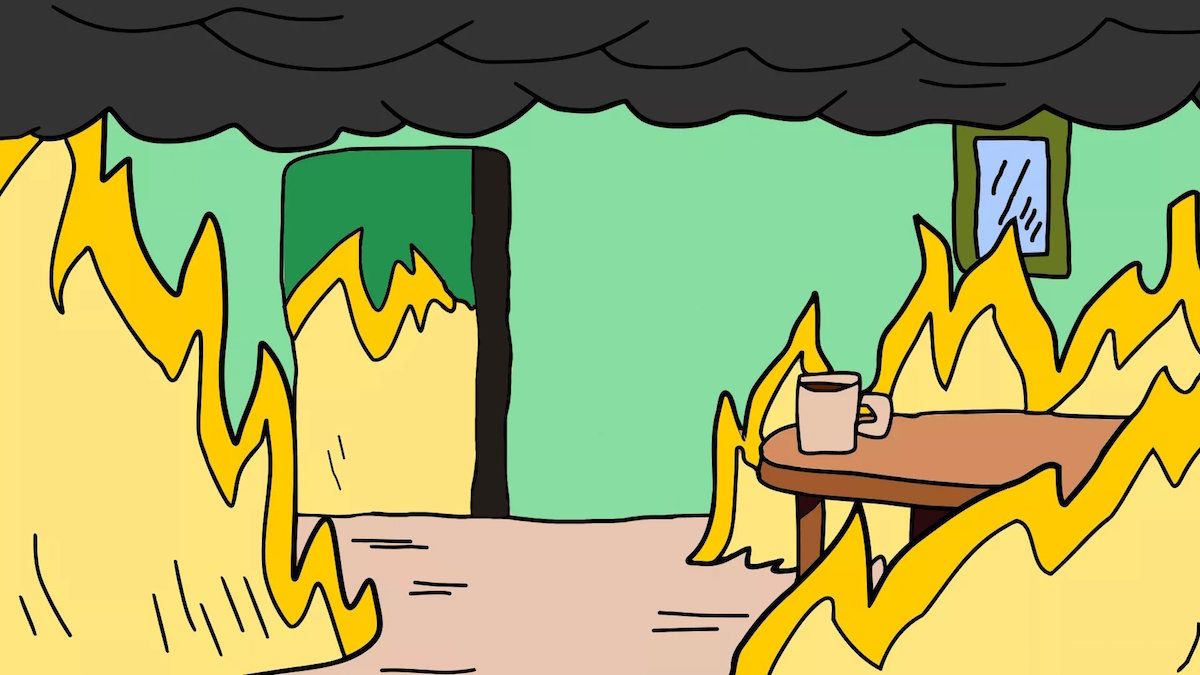
Fine is one of my least favorite words in the English language. If you ask someone out on a date and they say “fine” you still might not know where you stand. If you ask how someone is doing and they say “fine” I will probably ask them for a little bit more clarification. And yet, this is what many of our marginalized students and community members have articulated about how they are doing in their college experience when asked about how the university is supporting their identities. What’s unique is that it happens so often amongst the marginalized religious communities on campus.
In recent years, incidents of Anti-Semitism & Islamophobia have continued to sweep across college campuses in North America. Seemingly without warning, a student will walk to the bathroom one morning, only to return to his or her dorm room and find a swastika painted on their door. Other students will feel this pressure more internally, as institutions with historical preferential bias toward or against certain forms of religion will forget to consider marginalized religious identities as a part of their campus services. This includes the Kosher and Halal meals necessary for Jewish and Muslim students, as well as academic calendars that might promote a more holistic inclusion of marginalized religious identities on campus. And these incidents time and time again will call for a response from the university. A response that most often is done with minimum effort and maximum diffusion of responsibility.
It’s from these events and circumstances that universities can demonstrate their true support of the communities who are often pushed into the shadows. We hear the responses to these situations all the time: first there is a response, perhaps a statement from the university of the claim that they are both not (insert whatever is necessary) and that “our campuses will not tolerate.” Great. So happy that you won’t tolerate. But in the end, the culture doesn’t really shift, and individuals simply move onward to other higher priorities. And our community members, including our students, when asked, say that everything is “fine.”
“Being fine” typically means that the individuals are just simply beaten down enough that they expect that their institutions are not going to support them. In the end, it’s what I call marginalization upon the marginalization. Hidden back into the shadows, our marginalized religious, secular, and spiritual identities are not truly pleased. They are simply pacified after repeated lack of real efforts to change environments. “Fine” is not good enough for our modern institution of higher education which espouses to support global citizenship and a sense of safety and belonging on our campuses. Having our students and community members feel “fine” is simply a reminder that our efforts have a long way to go in order for us to actually get there.
There’s an opportunity for a wakeup call with these moments. That opportunity comes when we as professionals realize that beyond the façade, our students are not as pleased as we would expect with their experiences related to these identities. The competing interests of the university may serve as a rationalization of our previous avoidances of these concerns, but with a greater understanding that spirituality is a vital component of a students’ identity as a part of their college experience, the time has come that institutions no longer accept complacency and minimal attempts to subdue concerns as enough. Instead, we have the opportunity to build a capacity for leadership as administrators and staff to ensure our support for these individuals.
In the end, the choice has become quite clear: “Fine” will not be enough so long as our efforts remain to provide environments on our campuses which intent to provoke deeper curiosity, critical awareness, and our aims include the support for all forms and identity and diversity. Our marginalized students will attest if given the opportunity that more can and should be done in this area. Should we take those steps forward, we might finally get to the core of the concerns and openly identify that the previous efforts we have made fall short. Only then can we can step forward and change “fine” into “good, great, and beyond.”

